
Canvas Glamping Tent: Affordable Comfort for Outdoor Living
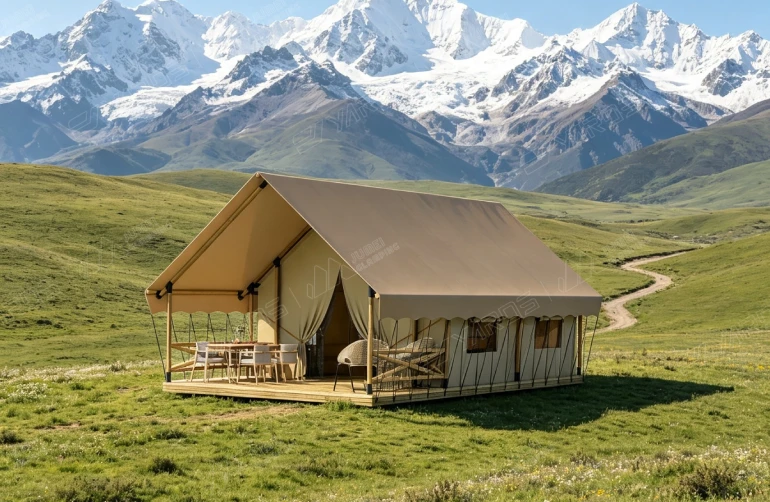
10/16/2026Safari tents are increasingly popular for glamping resorts, eco-tourism projects, campsites, and outdoor hospitality businesses. Their spacious interiors and natural appearance make them an attractive accommodation option in a wide range of environments. However, purchasing a tent from an overseas manufacturer involves more than selecting a design and confirming the price. Before you Buy Safari Tent products internationally, it is important to understand product specifications, shipping arrangements, import requirements, and installation conditions.
Choose the Right Tent for Your Destination
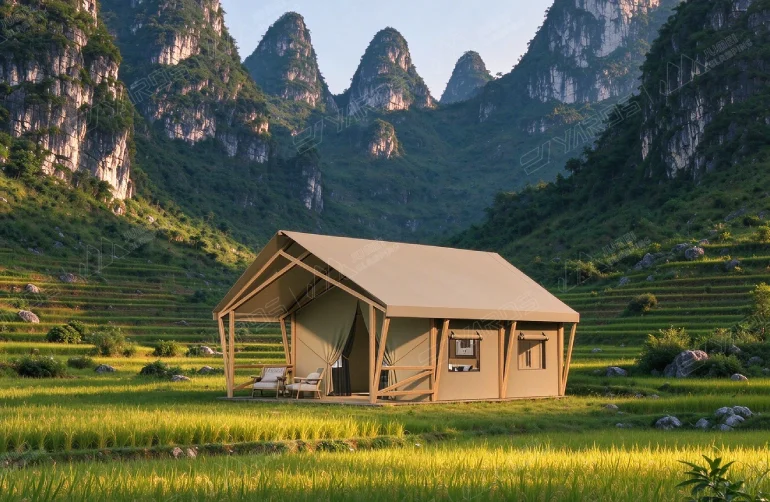
The first step is to select a safari tent that suits the local climate and intended use. Buyers should consider temperature, rainfall, humidity, wind exposure, and sunlight when choosing structural materials, roof fabrics, wall systems, and insulation options.
For example, a coastal resort may need corrosion-resistant components and materials suitable for humid conditions, while a campsite in a region with heavy rainfall should prioritize effective drainage and waterproof roofing. Structural stability is equally important in exposed locations.
Before you Buy Safari Tent units for a commercial project, ask the manufacturer for detailed specifications, material information, installation instructions, and relevant test reports. Confirm that the selected model meets the project’s local building and safety requirements.
Confirm Product Details and Quality Standards
Overseas orders can involve long production and transportation periods, so product specifications should be confirmed before manufacturing begins. Important details include tent dimensions, frame materials, fabric type, doors and windows, flooring, bathroom facilities, electrical provisions, and included accessories.
Buyers should also clarify whether the quotation covers the complete tent or only the main structure and fabric. For resort projects, consistent specifications across multiple units can simplify installation, maintenance, and future replacement of components.
Request product drawings, packing lists, and available quality inspection records. If possible, arrange a pre-shipment inspection to check quantities, finishes, accessories, and packaging before the goods leave the factory.
Understand Overseas Shipping and Export Procedures
International transportation is a major consideration when planning a safari tent purchase. Freight costs depend on the destination country, shipping route, cargo volume, total weight, packaging method, and order quantity. Proper packaging is essential to protect metal frames, fabrics, glass components, and other accessories during handling and transit.
Before placing an order, confirm the expected production lead time, shipping schedule, and estimated transit time. Ask the supplier whether the quotation includes export packing, inland transportation to the port, export documentation, and international freight.
Import duties, customs clearance fees, destination port charges, and local delivery may be additional expenses. Buyers should verify the applicable import rules and taxes in the destination country. Agreeing on the delivery terms, such as FOB or CIF, can help clarify which party is responsible for freight, insurance, and different stages of transportation. The exact responsibilities depend on the agreed Incoterm and named location.
Prepare for Delivery and Installation
Shipping the tent to the destination port is only one part of the process. Buyers must also consider transportation from the port to the project site, unloading equipment, storage conditions, foundation preparation, and installation labor.
Remote resorts or sites with limited road access may require additional logistics planning. Confirm the dimensions and weight of packed components in advance to ensure suitable vehicles and handling equipment are available. Installation manuals, labeled components, and remote technical support can also help reduce delays.
Conclusion
When you Buy Safari Tent products from an overseas supplier, careful preparation can reduce unexpected costs and delivery problems. Check specifications, verify quality, understand export and import responsibilities, and calculate the complete landed cost before ordering. Working with an experienced manufacturer and maintaining clear communication throughout production and shipping will help your safari tent project move forward more smoothly.