

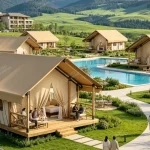
Glamping Tents to Buy: What Affects the Price
11/23/2026Camping has become an increasingly important part of the tourism and leisure industry. More travelers are looking for opportunities to relax in natural environments, enjoy outdoor activities, and experience different accommodation styles. For resort investors and campsite developers, Safari Tents Camping offers an opportunity to combine nature-based tourism with comfortable accommodation. Understanding market trends and the differences between luxury and traditional tents can help investors make more informed purchasing decisions.
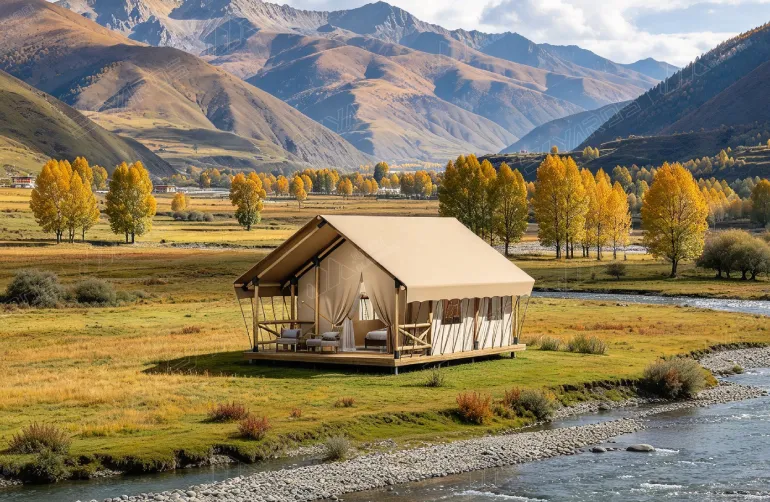
Recent Camping Market Trends
Recent industry reports show that outdoor tourism continues to attract a large customer base. According to Kampgrounds of America’s 2026 Camping and Outdoor Hospitality Report, more than 52 million North American households went camping in 2025, exceeding pre-pandemic participation levels. The sector also generated approximately $66 billion in local community spending.
The 2025 KOA report also recorded $61 billion in camping-related spending during 2024. Average daily spending reached $200 per household, while glampers spent an average of $251 per day. These figures indicate that camping is not limited to low-cost outdoor activities. A growing customer segment is willing to spend more on distinctive accommodation and travel experiences.
For investors, this creates opportunities to develop differentiated outdoor resorts rather than relying entirely on traditional camping facilities.
Traditional Tents: Affordable and Practical
Traditional camping tents are generally designed for basic outdoor accommodation. Their lightweight structures, relatively simple installation, and lower purchase costs make them suitable for campsites targeting budget-conscious travelers and outdoor enthusiasts.
However, traditional tents often provide limited interior space and fewer facilities. Depending on the design, they may lack private bathrooms, insulated walls, comfortable flooring, and dedicated living areas. These limitations can make them less attractive to guests who expect a hotel-like experience.
For commercial operators, traditional tents can still be useful for basic camping areas, seasonal accommodation, and large-scale outdoor activities where affordability is the main consideration.
Luxury Safari Tents: Comfort and Commercial Appeal
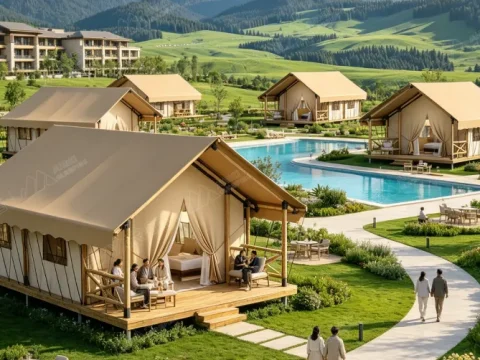
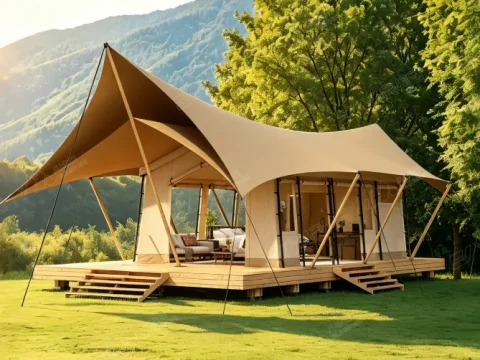
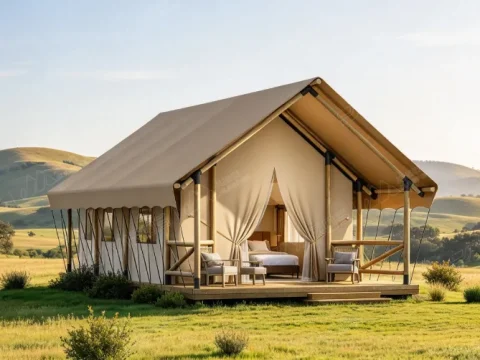
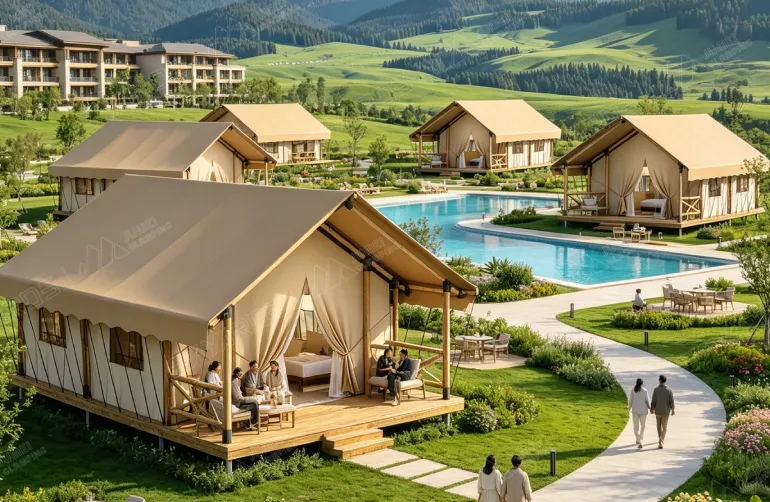
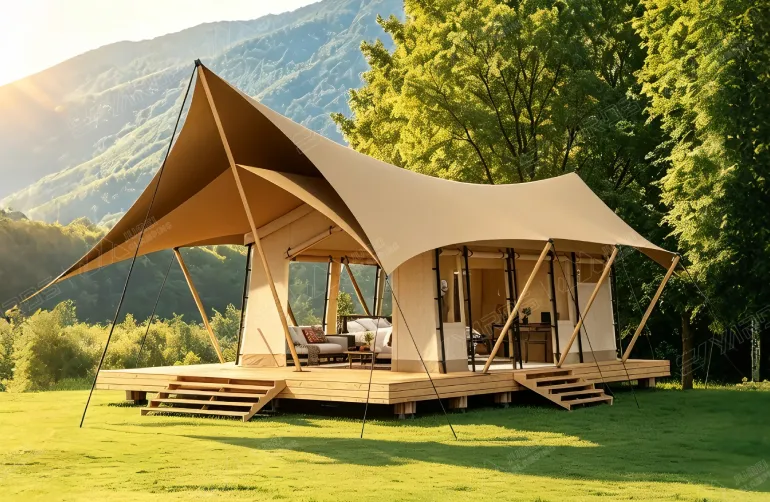
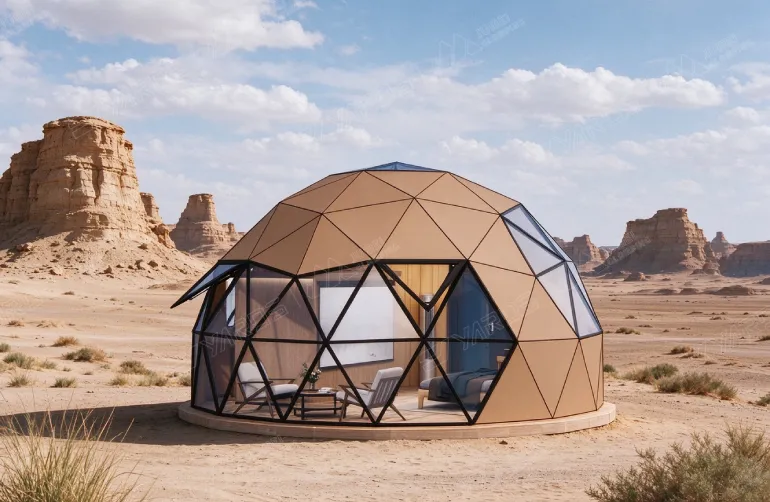
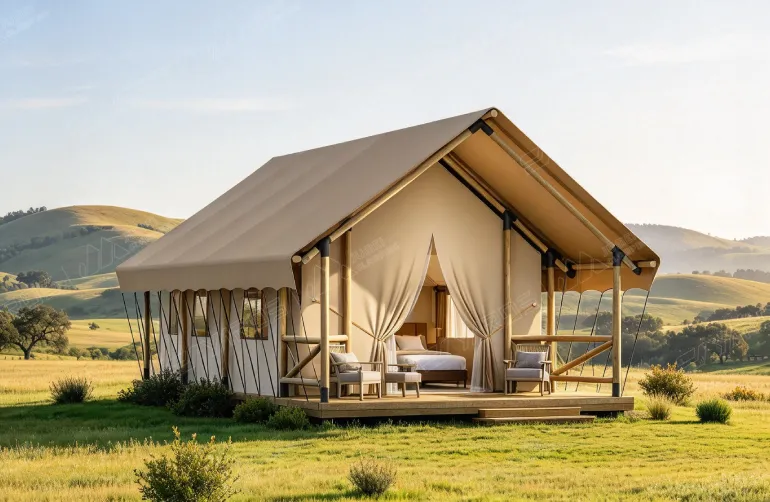
Luxury safari tents offer a different accommodation experience. They typically provide more spacious interiors, stronger supporting structures, improved fabric systems, and options for furniture, bathrooms, verandas, and other facilities.
Compared with traditional tents, luxury models can attract travelers who want to enjoy nature without sacrificing everyday comfort. Couples, families, and premium leisure travelers may be interested in this type of accommodation, particularly in scenic locations such as forests, mountains, lakesides, and wildlife destinations.
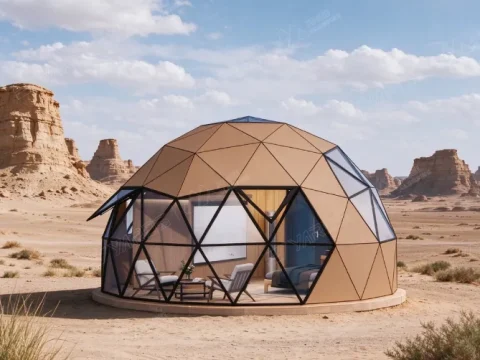
For Safari Tents Camping projects, the accommodation itself can become an important part of the guest experience. Attractive exterior designs and comfortable interiors also create opportunities for visual marketing and differentiated room pricing.
Choosing the Right Tent for Investment
The choice between traditional and luxury tents should depend on the project’s target customers, location, budget, and expected operating model. Investors should evaluate initial purchase costs, installation requirements, material durability, maintenance expenses, and potential room revenue.
Jumei Glamping provides different tent solutions for outdoor accommodation projects. By comparing structural designs, fabric specifications, interior configurations, and customization options, investors can select products that match their development plans.
Building a Competitive Outdoor Resort
The growth of outdoor tourism does not mean every camping project should adopt expensive accommodation. Instead, successful development depends on matching products with customer expectations and local market conditions. Safari Tents Camping can combine the natural appeal of traditional camping with the comfort of modern hospitality. For investors, choosing the right balance between affordability, guest experience, and long-term operating costs is essential to building a competitive outdoor resort.