
Safari Tents Camping: Market Trends and Luxury vs. Traditional Tents
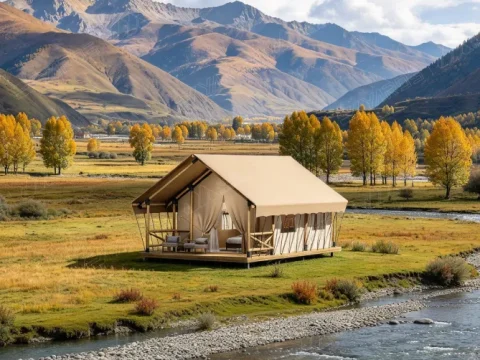
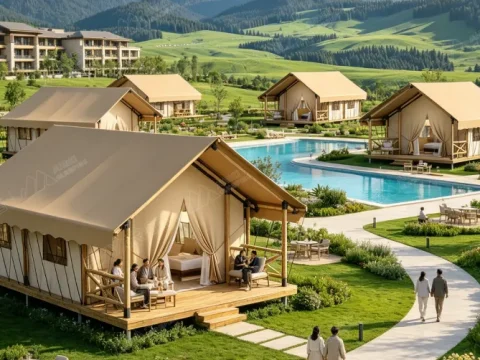
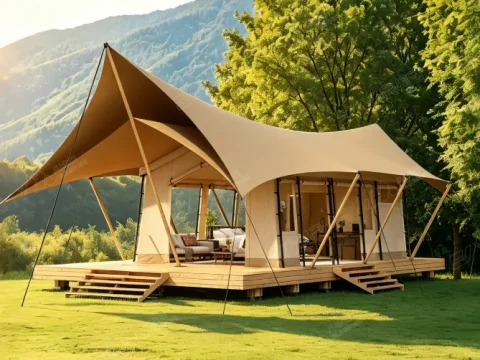
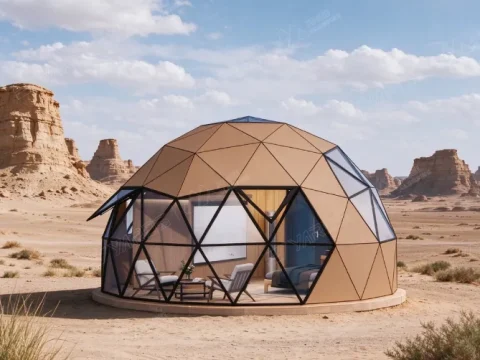
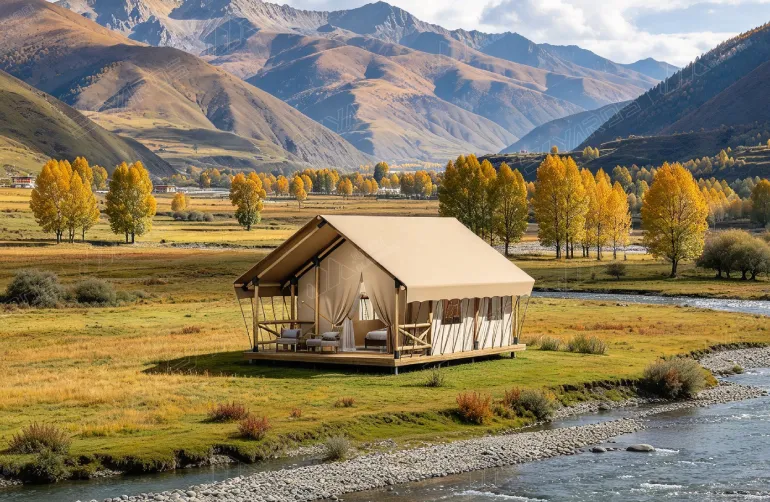
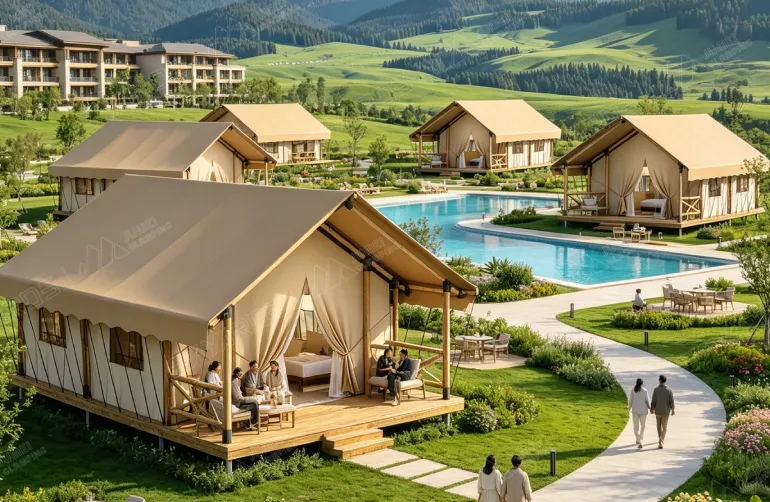
11/25/2026For resort investors and campsite developers, accommodation quality plays an important role in attracting guests and encouraging longer stays. Traditional camping tents are often designed for short outdoor trips, offering basic shelter with limited interior facilities. In comparison, Permanent Glamping Tents for Sale are designed for more comfortable and long-term outdoor accommodation. They provide an opportunity for hospitality businesses to combine the natural atmosphere of camping with many conveniences of a hotel room.
More Space and Greater Privacy
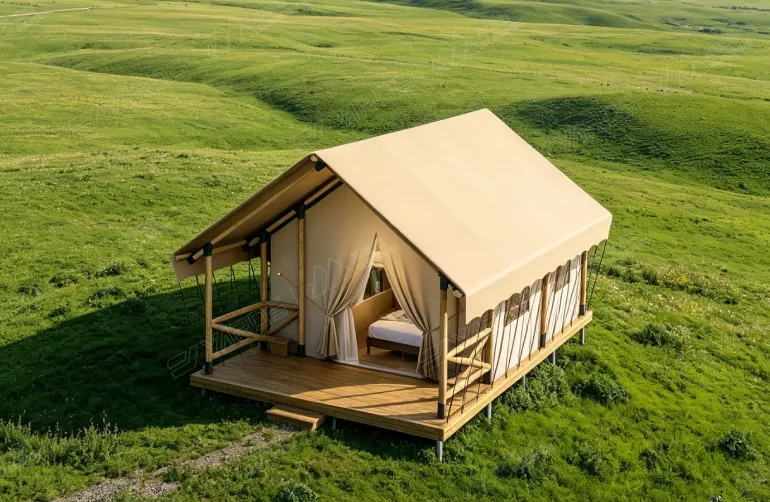
One major difference between permanent glamping tents and traditional camping tents is the available living space. Traditional tents usually focus on portability and lightweight construction, which limits their size and interior layout. Permanent glamping tents can be designed with larger floor areas, separate sleeping spaces, private bathrooms, and additional storage.
For resort guests, this creates a more relaxed living environment. Couples can enjoy private accommodation, while families have more room for luggage and daily activities. Investors can also choose different layouts to serve various customer groups and position their properties at different price levels.
Improved Comfort for Extended Stays
Traditional camping tents generally provide basic protection from outdoor conditions. They may not offer sufficient insulation, ventilation, or facilities for guests who expect to stay for several nights.
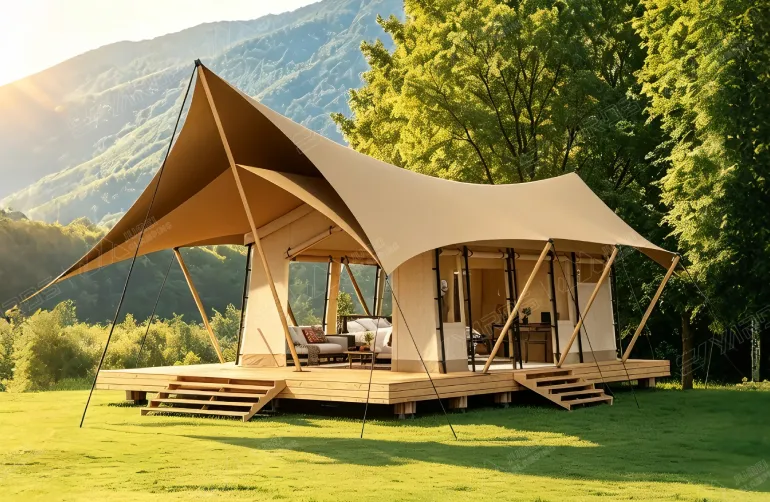
Permanent glamping tents can incorporate more complete accommodation features, such as insulated wall systems, flooring, larger windows, electrical connections, lighting, and climate-control equipment. Depending on the design and local conditions, these features can help create a more stable indoor environment throughout different seasons.
The choice of fabric, frame, roofing, and insulation materials is particularly important. For example, projects in humid regions may require moisture-resistant materials and effective ventilation, while colder destinations may need additional insulation and suitable heating systems.
More Complete Interior Facilities
Guest expectations for outdoor accommodation have gradually expanded beyond a comfortable sleeping area. Many travelers now look for private bathrooms, convenient lighting, furniture, and functional indoor spaces.
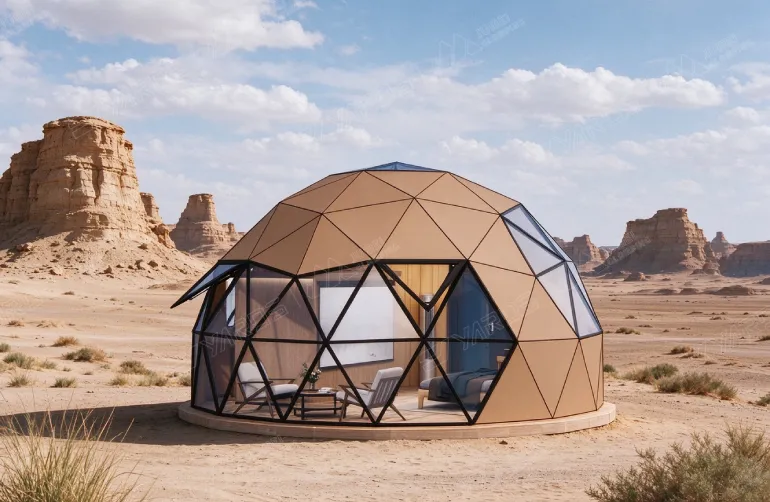
Permanent glamping tents can be customized with these facilities according to the resort’s target market and investment budget. Traditional camping tents may require guests to use shared bathrooms and public facilities, whereas a well-equipped glamping unit can offer a more private experience.
For investors, this difference can help create a distinct accommodation category and support a more premium hospitality positioning.
Better Suitability for Commercial Operations
Traditional tents are convenient for temporary camping, but frequent transportation and repeated installation may not be ideal for fixed resort operations. Permanent glamping tents are generally designed for longer-term placement, with more substantial structural components and installation requirements.
When evaluating Permanent Glamping Tents for Sale, investors should examine frame stability, anchoring systems, fabric durability, waterproof performance, and maintenance requirements. Regular inspections and proper upkeep remain necessary to protect the structure and maintain guest comfort.
Jumei Glamping offers different tent solutions for outdoor hospitality projects, providing buyers with options to compare layouts, materials, and accommodation configurations.
Choosing the Right Product for Your Resort
The right choice depends on the project’s location, target guests, operating model, and budget. Traditional tents remain suitable for simple and mobile camping activities, while permanent glamping tents are more appropriate for resorts seeking a comfortable and distinctive accommodation experience.
By comparing Permanent Glamping Tents for Sale with traditional camping options, investors can better understand the differences in guest experience, facility requirements, and long-term operating needs. Selecting suitable designs and reliable materials can help build a more competitive outdoor hospitality business.