
Stretch Tents Prices: Understanding What Is Included in the Total Cost
07/30/2026
Luxury Safari Tents: Pricing & Global Sales
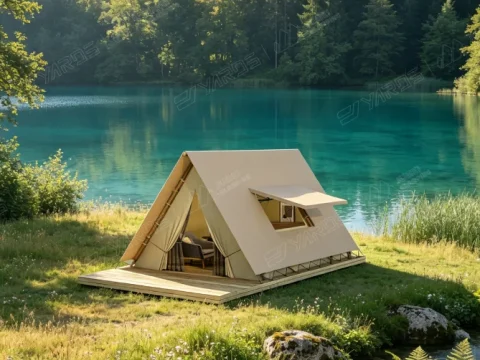
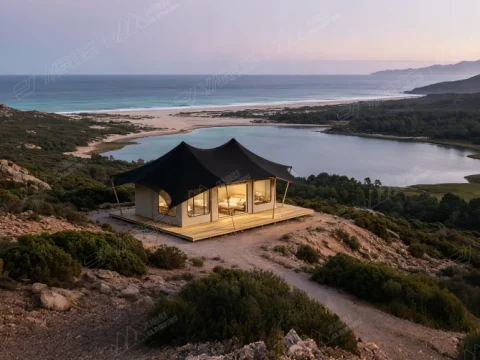
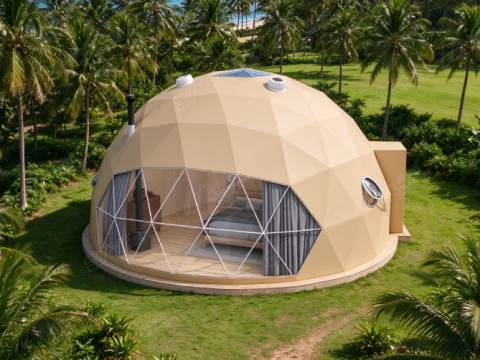
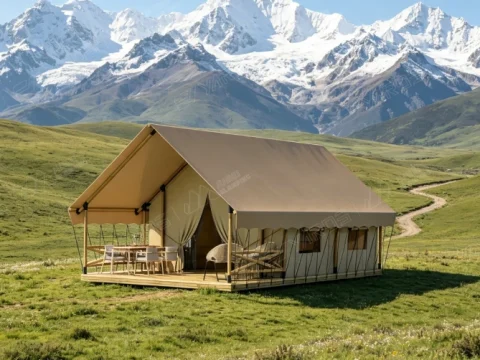
08/06/2026As luxury outdoor tourism continues to grow, investing in a Glamping Hotel Tent resort has become an attractive opportunity for hospitality developers around the world. One of the most common questions investors ask is how many tents should be purchased for a successful project. The answer depends on factors such as land size, target market, investment budget, and long-term business plans.
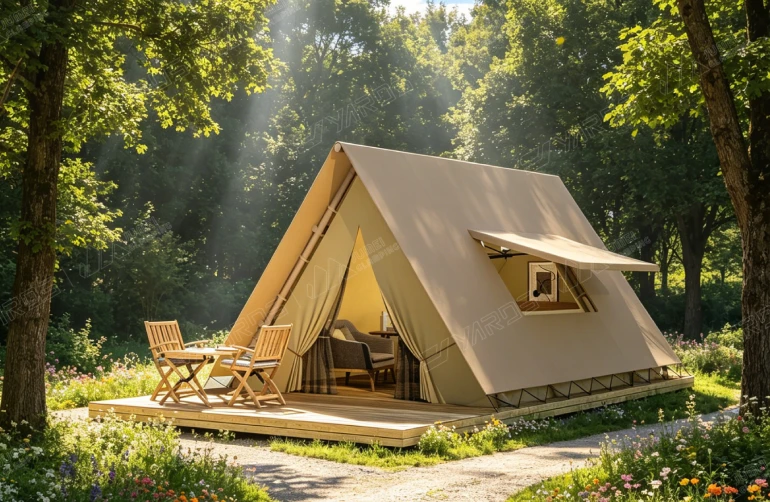
For most boutique resorts, starting with 8 to 15 Glamping Hotel Tent units is a practical approach. This scale allows operators to accommodate couples, families, and small groups while maintaining a peaceful atmosphere and controlling initial investment costs. It also provides enough capacity to evaluate market demand before expanding.
Medium-sized hospitality projects often choose 15 to 30 units. This quantity offers greater flexibility for room bookings and supports additional resort facilities such as restaurants, cafés, wellness centers, swimming pools, and recreational spaces. A larger number of tents also allows operators to create different accommodation categories that appeal to a wider range of guests.
Large tourism destinations may eventually require dozens of tents, but many experienced investors prefer a phased development strategy. Instead of purchasing every unit at once, they begin with a manageable number of Glamping Hotel Tent accommodations and add more as occupancy rates increase. This approach reduces financial risk while allowing the resort to grow alongside customer demand.
The size of the project site is another important consideration. A successful resort should not simply maximize the number of accommodation units. Sufficient space should be reserved for landscaping, walking paths, outdoor activity areas, parking, and privacy between tents. A well-planned layout often creates a better guest experience and encourages longer stays.
Target customers also influence purchasing decisions. Resorts focusing on couples may require fewer but more luxurious tents with private terraces and scenic views. Family-oriented destinations often benefit from a larger number of spacious units designed for multiple guests. Understanding your customer profile helps determine the ideal purchasing quantity.
Budget planning should include more than accommodation. Reception buildings, utility infrastructure, restaurants, public facilities, landscaping, and outdoor entertainment areas should all be considered alongside the purchase of Glamping Hotel Tent units. A balanced investment creates a complete tourism destination rather than simply providing places to stay.
Another advantage of glamping tents is their flexibility. If demand exceeds expectations, additional units can usually be installed with minimal disruption to existing operations. This modular expansion capability allows investors to increase accommodation capacity while maintaining stable cash flow.
Seasonal demand should also be evaluated. Resorts located in destinations with year-round tourism may justify a larger initial investment, while seasonal markets may benefit from a more conservative first phase followed by gradual expansion as business develops.
Working with an experienced manufacturer can simplify project planning. Professional suppliers often provide recommendations on accommodation layouts, transportation, installation schedules, and future expansion strategies, helping investors optimize both operational efficiency and guest satisfaction.
Overall, there is no universal number that fits every project. The ideal quantity of Glamping Hotel Tent accommodations depends on the destination, available land, business objectives, and expected visitor demand. Starting with a carefully planned number of units and expanding according to market performance is often the most sustainable strategy for long-term success.
As outdoor hospitality continues to attract travelers seeking unique nature experiences, investing in a Glamping Hotel Tent resort offers excellent growth potential. Careful planning today can help developers build profitable destinations that continue to expand alongside the rapidly growing glamping market.