
Purchase Glamping Tents: Cost, Returns & Resort Market Trends
05/23/2026
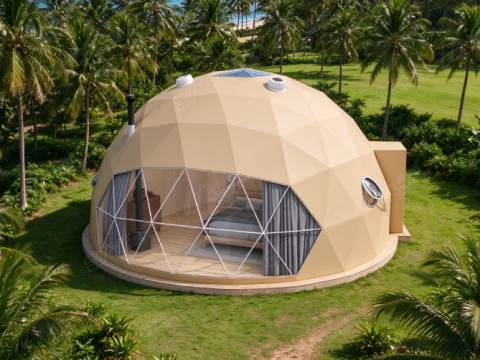
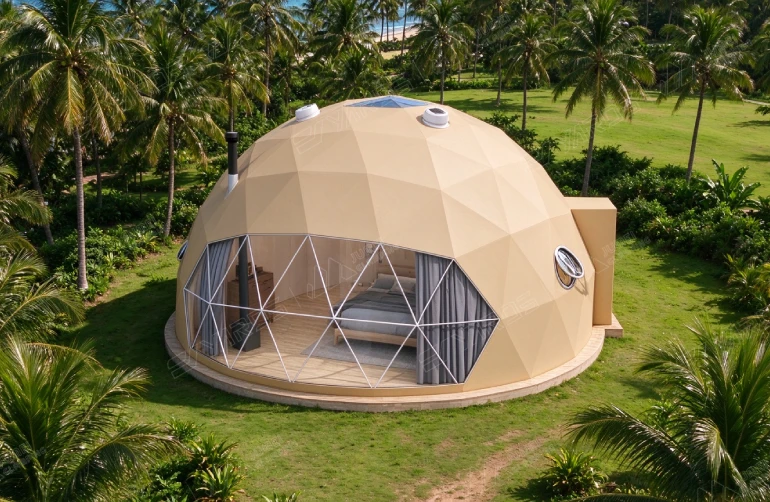
Geodesic Glamping Domes for Sale: Transportation & Installation Guide
05/28/2026As outdoor hospitality and glamping projects continue to grow worldwide, Canvas Safari Tents have become one of the most popular accommodation solutions for resorts and eco-tourism destinations. One of the key reasons for their popularity is the performance of canvas materials in various environmental conditions.
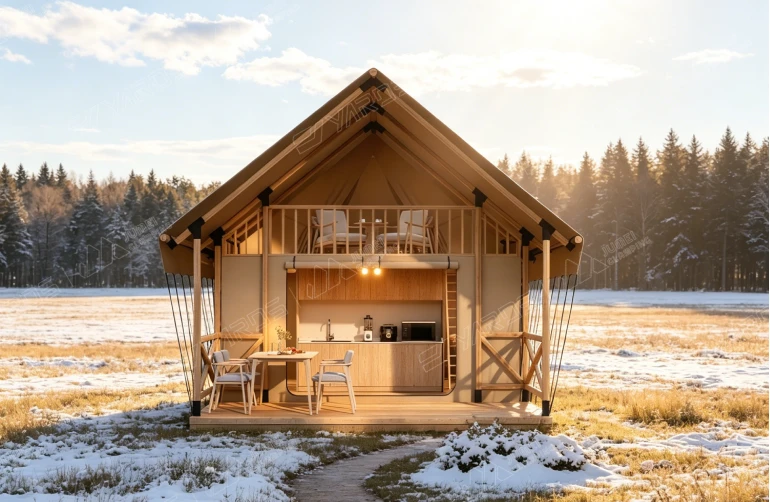
Canvas fabric is widely valued for its strong environmental adaptability. Compared to ordinary lightweight tent materials, high-quality safari tent canvas is designed for long-term outdoor use and can perform effectively in hot, cold, windy, and humid climates.
In high-temperature environments such as deserts or tropical regions, canvas materials provide better heat management. Their breathable structure helps improve airflow inside the tent, reducing heat accumulation and creating a more comfortable living environment for guests.
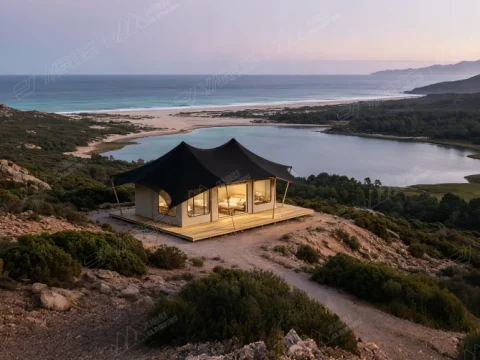
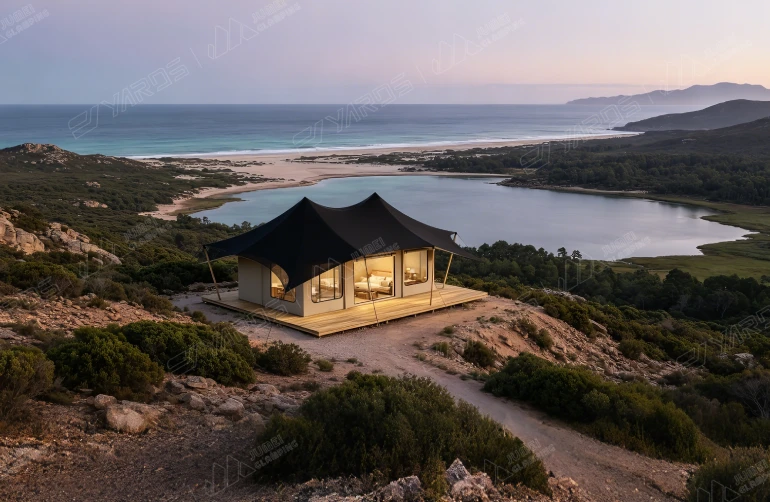
Another major advantage is wind resistance. Thick canvas combined with reinforced structural systems can better withstand strong outdoor winds compared to standard camping tents. This makes canvas safari tents suitable for open grasslands, coastal regions, and mountain environments.
Canvas materials also perform well in colder climates. Their dense fabric structure provides stronger insulation support, helping maintain indoor warmth when combined with insulation layers or heating systems. This improves year-round usability for outdoor hospitality projects.
Waterproof and UV-resistant treatments further improve durability. Professional safari tent canvas is often coated to resist rain penetration, sunlight exposure, and mildew growth, allowing the structure to maintain stable performance over long periods of outdoor operation.
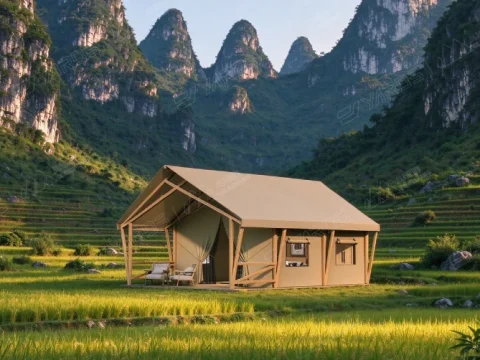
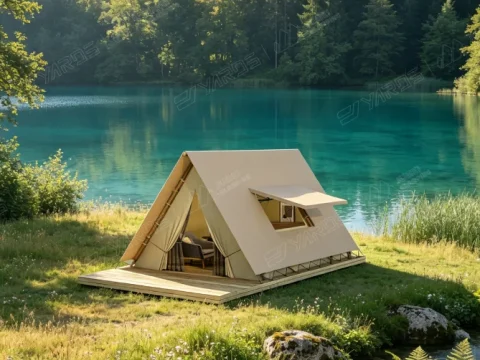
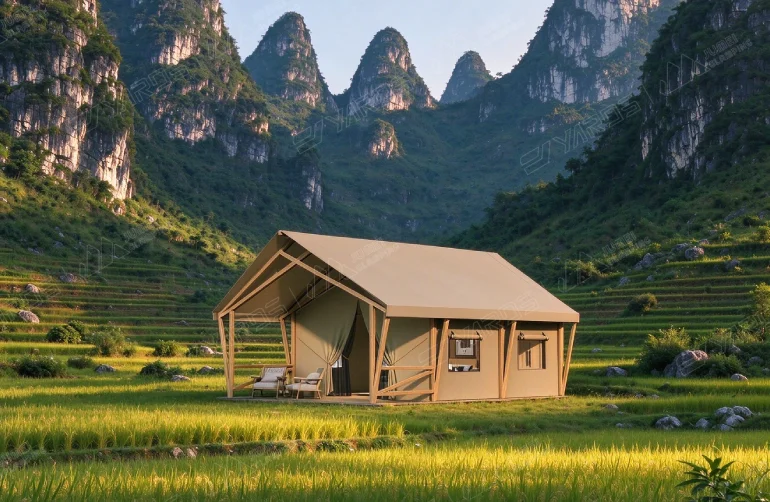
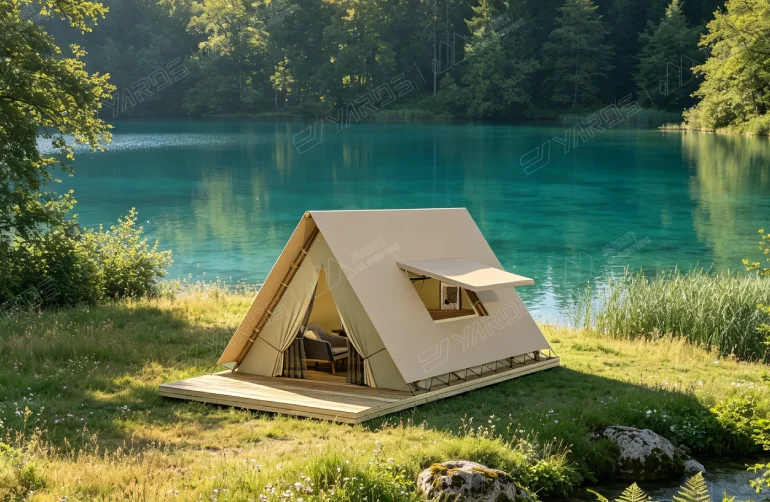
Another important advantage is the natural appearance and texture of canvas materials. Canvas safari tents blend more naturally into forests, mountains, lakesides, and eco-resort environments, creating a more immersive outdoor experience that modern travelers increasingly prefer.
From an operational perspective, durable canvas materials can help reduce long-term maintenance and replacement costs. High-quality fabric generally offers longer service life and more reliable environmental performance compared to low-cost temporary tent materials.
Procurement cost is another important consideration for buyers. The overall cost of canvas safari tents usually depends on factors such as canvas thickness, waterproof treatment level, frame materials, insulation configuration, and customization requirements.
Although premium canvas materials may increase the initial purchase price, they often provide better long-term value through improved durability, comfort, and operational stability. For commercial resort projects, investing in higher-quality canvas can help reduce maintenance frequency and improve guest satisfaction.
The growing demand for eco-tourism and luxury camping continues to increase the market value of canvas safari tents. Their balance of natural aesthetics, weather resistance, and living comfort makes them highly competitive in the outdoor accommodation industry.
Overall, Canvas Safari Tents demonstrate strong advantages in high temperatures, windy conditions, and colder environments while maintaining appealing aesthetics and practical functionality. Combined with flexible procurement options, they remain one of the most reliable choices for modern glamping and resort projects.