

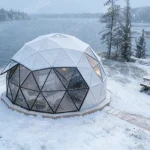
Dome Glamping Tent Price: Resort Investment Value & Entry Barriers
01/23/2026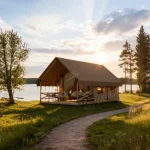
Safari Tent Canvas: Why Canvas Material Excels in Diverse Environments
01/28/2026When exploring glamping tents to buy, one of the most important considerations for investors and resort developers is environmental suitability. Modern glamping tents are designed to adapt to a wide range of landscapes and climate conditions, making them a flexible solution for outdoor hospitality projects.
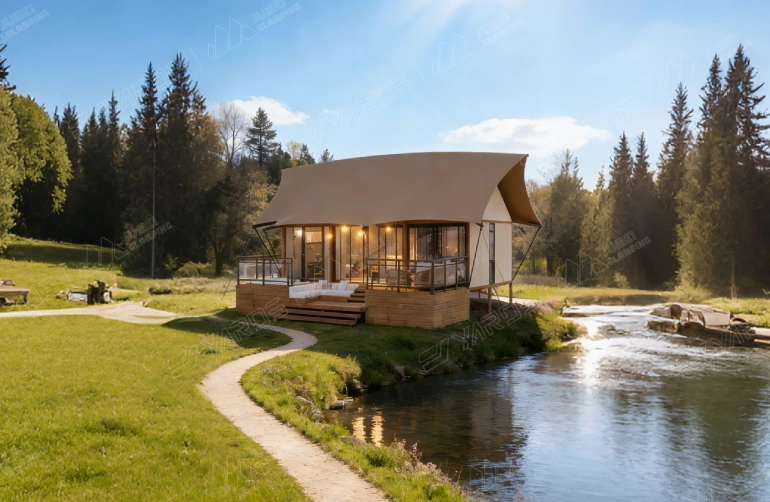
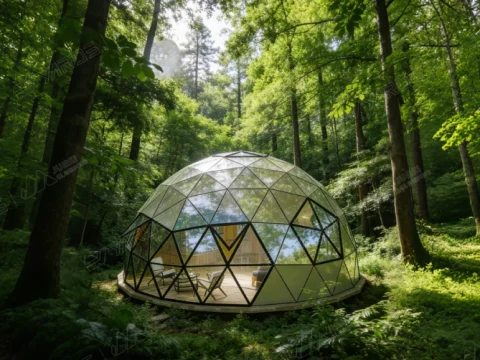
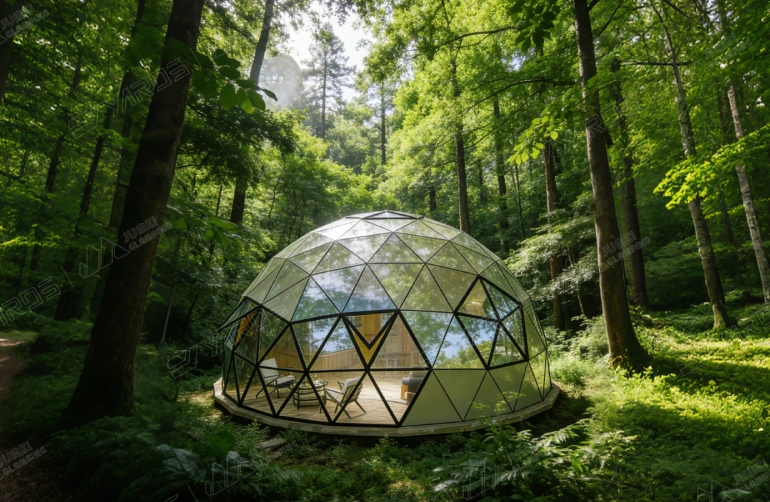
Forest and woodland areas are among the most popular environments for glamping tents. Canvas and lodge-style tents blend naturally into wooded surroundings, offering guests a peaceful and immersive nature experience. Elevated flooring and breathable materials help protect against moisture and maintain interior comfort.
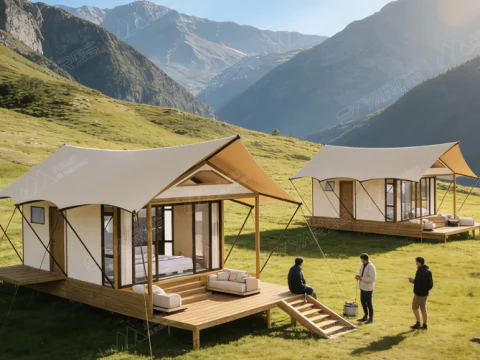
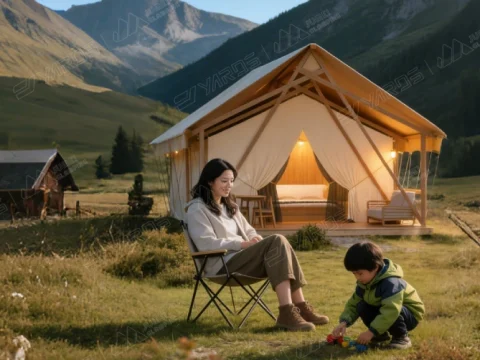
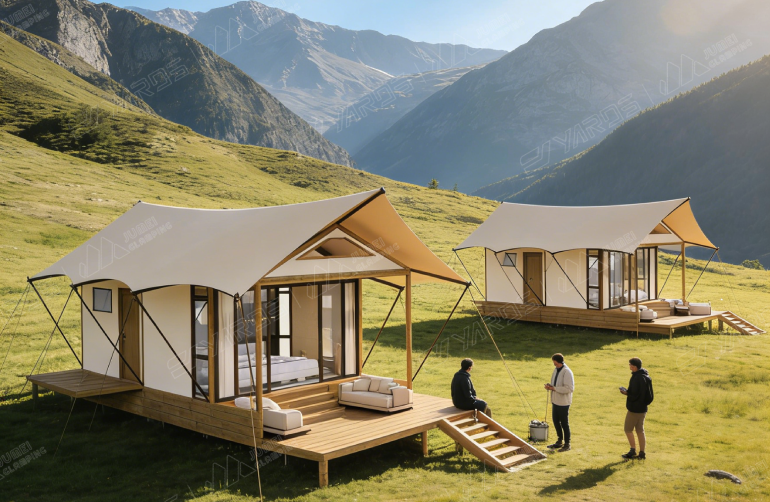
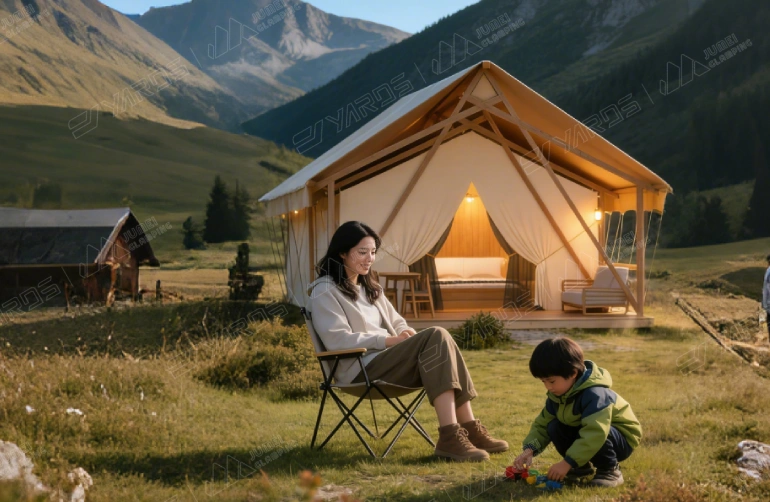
Mountain and highland regions are also well suited for glamping tents. With reinforced frames, insulated liners, and wind-resistant designs, glamping tents can perform reliably in cooler temperatures and variable weather. These settings are ideal for adventure tourism, hiking lodges, and scenic retreat resorts.
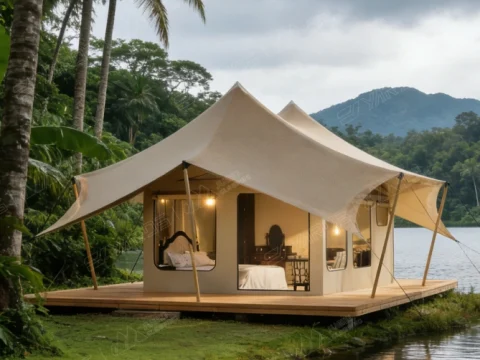
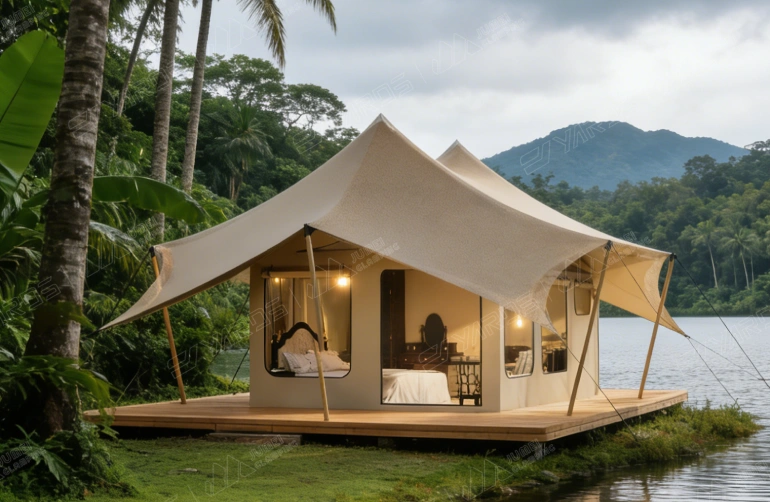
Coastal and lakeside locations represent another strong application. Glamping tents designed with waterproof canvas, corrosion-resistant frames, and proper anchoring systems can withstand humidity, sea breezes, and light salt exposure. Ocean and lake views enhance guest appeal and support premium pricing strategies.
Desert and grassland environments are increasingly popular for glamping projects. In these regions, tents with strong UV resistance, ventilation systems, and thermal insulation help regulate interior temperature. Panoramic windows and stargazing features make desert glamping especially attractive for experiential tourism.
Snow-prone and four-season climates can also support glamping tents when equipped with heavy-duty frames, thermal liners, and compatible heating systems. These configurations allow year-round operation and expand seasonal revenue opportunities for resort operators.
Conclusion
Glamping tents to buy are suitable for forests, mountains, beaches, deserts, grasslands, and even four-season climates when properly configured. Their adaptability, low environmental impact, and flexible installation make them a smart choice for diverse resort and eco-tourism projects.