
Stretch Tent Wedding: Why Wedding Tents Are So Popular
12/16/2025
Safari Tent Suppliers: What Defines a Reliable Partner
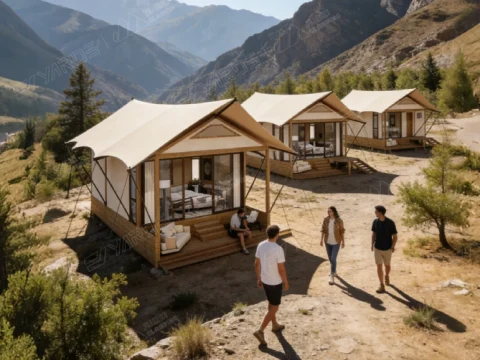
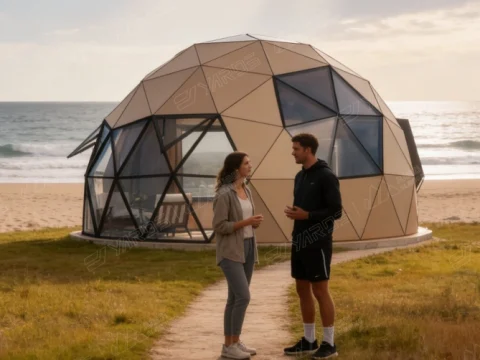
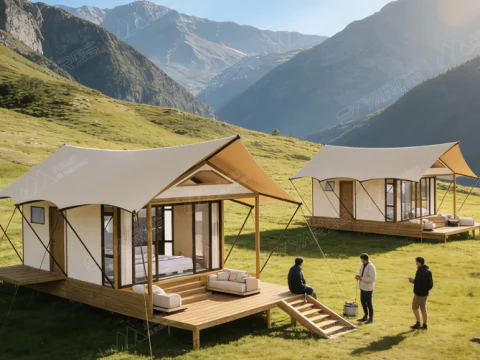
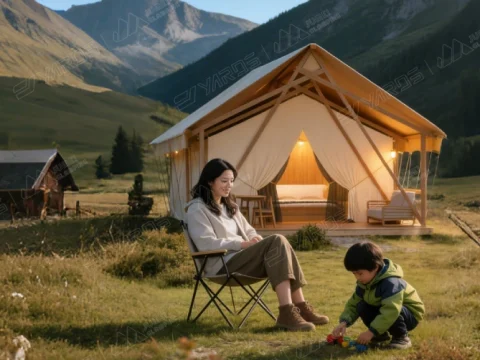
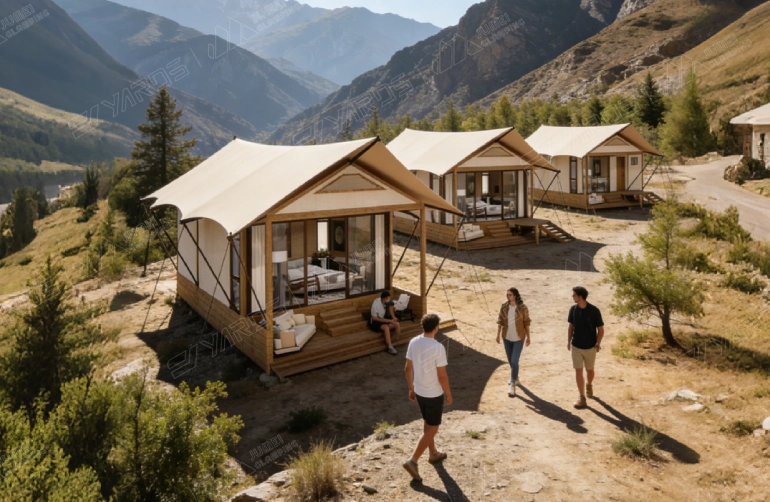
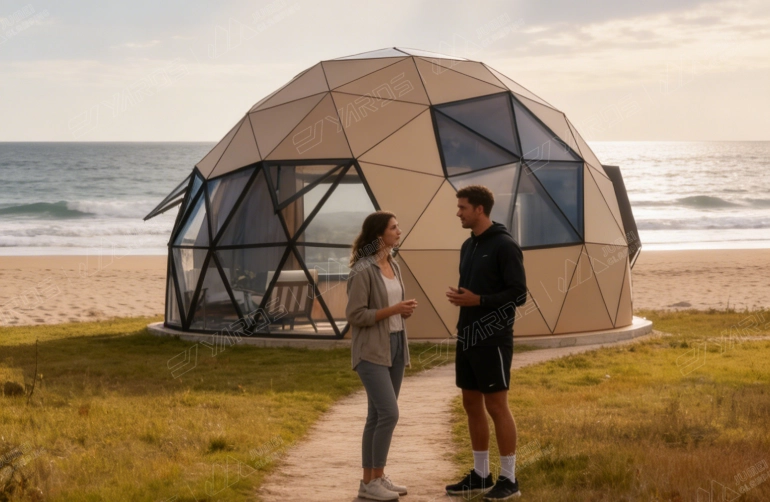
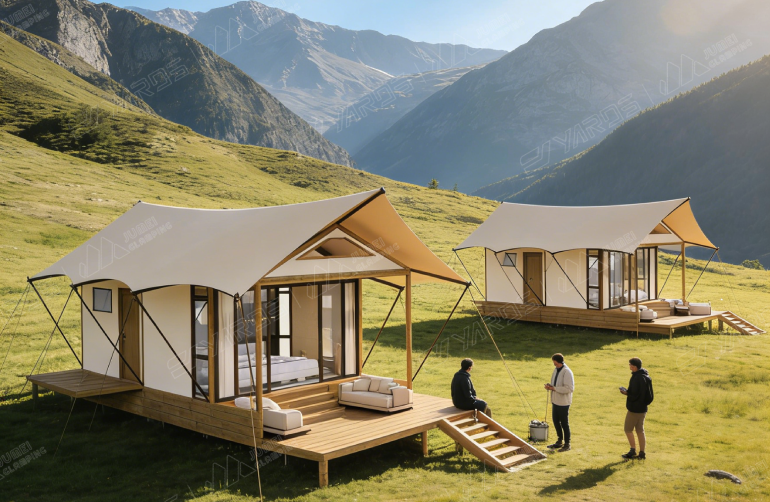
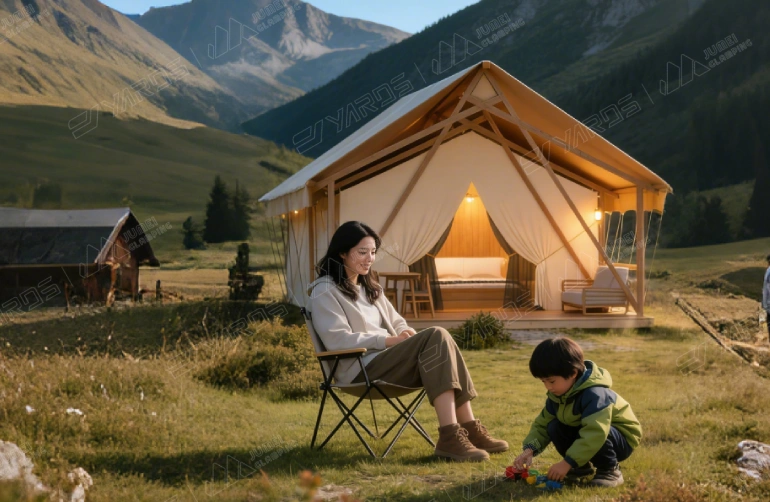
12/18/2025The popularity of DIY glamping tents continues to grow as resort owners, campsite operators, and private investors look for flexible, cost-effective ways to build unique outdoor accommodations. While DIY installation reduces labor costs and allows for phased development, choosing a manufacturer with real strength and experience is essential to ensure safety, durability, and smooth assembly.
Look for Strong Engineering and Structural Design
A capable DIY glamping tent manufacturer should provide professional structural design tailored for self-installation. Clear drawings, load calculations, and standardized components help ensure the tent can be safely assembled without specialized equipment. Manufacturers with solid engineering teams—such as Jumei—typically offer more reliable and user-friendly systems.
Check Material Quality and Durability
DIY glamping tents are often installed in remote or natural environments, so material quality is critical. High-quality steel frames, weather-resistant fabrics, and reinforced connectors ensure long-term outdoor performance. Reliable manufacturers use UV-resistant, waterproof, and fire-retardant materials that reduce maintenance after installation.
Evaluate Installation Simplicity
A strong manufacturer designs DIY tents with ease of assembly in mind. Modular structures, pre-drilled frames, and detailed installation manuals or videos help reduce errors during setup. Simple but robust designs are a sign of a well-developed product system.
Customization and Scalability Options
Good manufacturers support flexible customization while maintaining standardized production. This allows buyers to start with a basic DIY glamping tent and upgrade later with insulation, windows, interior liners, or decks. Brands like Jumei often provide scalable solutions suitable for long-term development.
Production Capacity and Quality Control
Manufacturers with modern factories and strict quality control systems deliver consistent products and reliable lead times. This is especially important for DIY projects that rely on precise component fitting and clear labeling.
After-Sales Support and Technical Guidance
Even DIY projects need professional backup. Choose a manufacturer that offers responsive technical support, spare parts availability, and clear communication. This support reduces installation risks and ensures smooth operation after setup.
Conclusion
When choosing DIY glamping tents, the manufacturer’s technical strength, material quality, installation design, and support services matter more than price alone. Partnering with an experienced manufacturer—such as Jumei—helps ensure your DIY glamping project is safe, efficient, and built for long-term success.