Luxury Glamping Tents: Achieving Fast Returns and ROI Cycles
12/09/2025
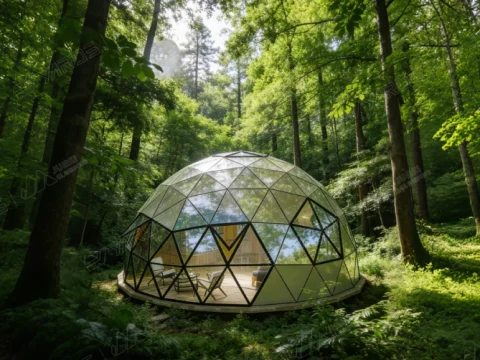
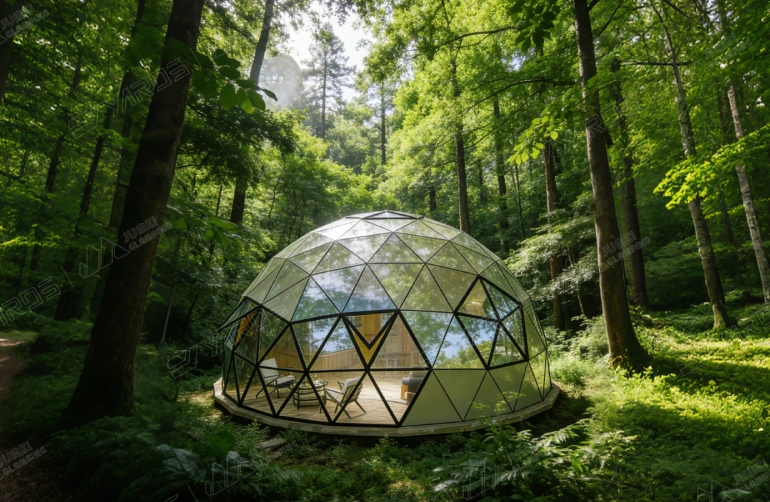
Glamping Clear Dome: Market Trends & Environmental Adaptability
12/11/2025As luxury camping continues to grow worldwide, safari tents remain one of the most popular structures for eco-resorts, farm stays, and boutique retreats. When investors compare safari tents prices, the goal is not only to find an affordable option but also to secure a supplier who can deliver long-term value, durability, and smooth project execution. Understanding how pricing is structured and what defines a cost-effective partner can significantly improve your investment returns.
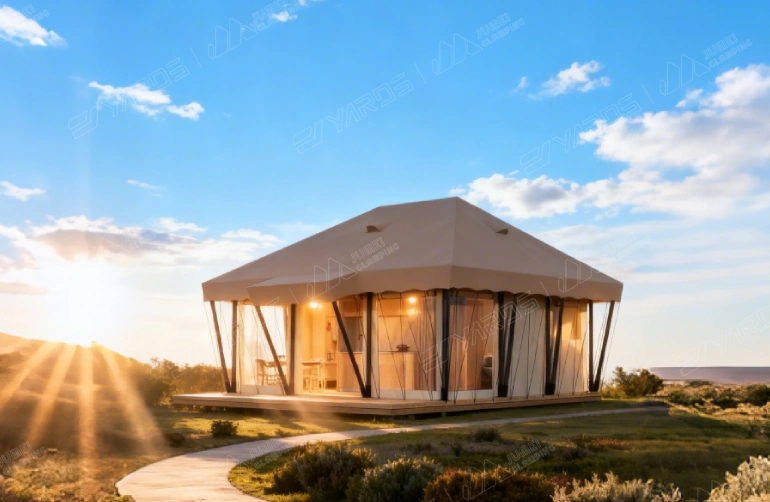
How Safari Tents Prices Are Positioned in the Market
Price varies based on tent size and layout
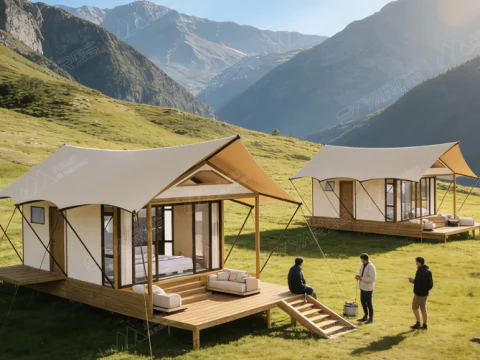
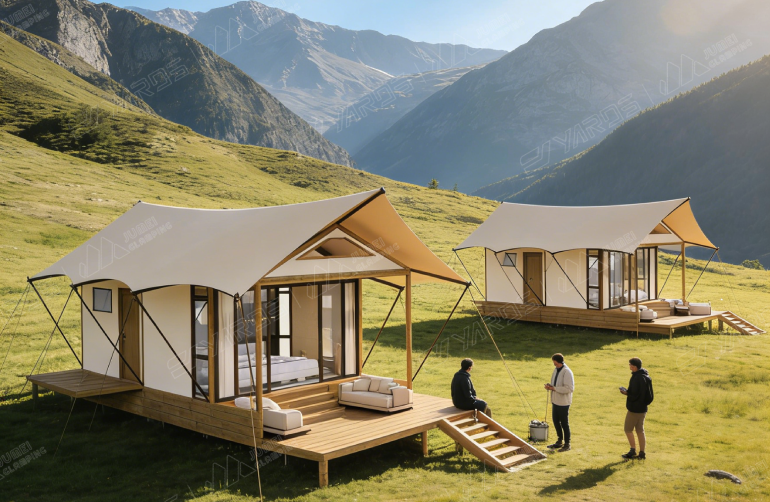
Larger safari tents with bedrooms, bathrooms, and extended decks cost more due to the increased amount of steel, canvas, and interior fittings required. Small single-room units fall at the lower end of the price spectrum, while family-sized or villa-style safari tents sit at the higher range.
Material grade and fabric technology influence pricing
Premium fabrics—such as heavy-duty PVC roofs, flame-retardant canvas walls, and insulated linings—directly affect cost. High-strength galvanized steel or powder-coated frames also contribute to a higher price but offer better longevity and safety in harsh climates.
Climate-specific engineering changes the price
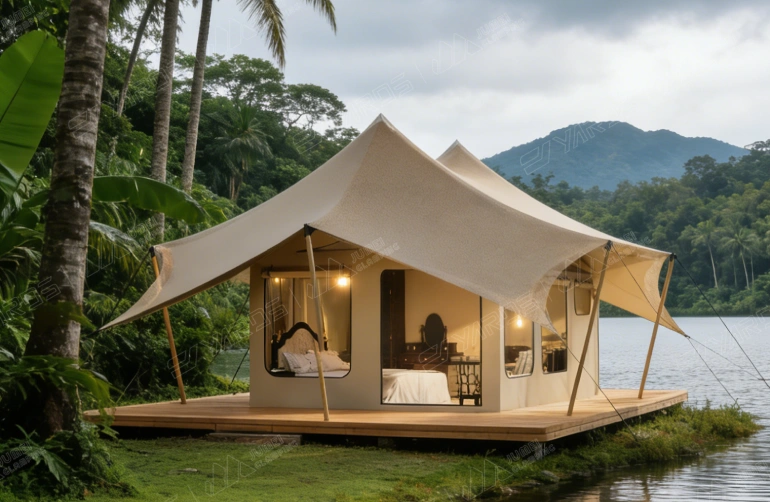
Safari tents designed for snow load, high humidity, coastal winds, or desert temperatures require upgraded structures, stronger connectors, and enhanced fabric treatments. These engineering adjustments increase the price but ensure better reliability and lower maintenance expenses.
Customization level impacts cost positioning
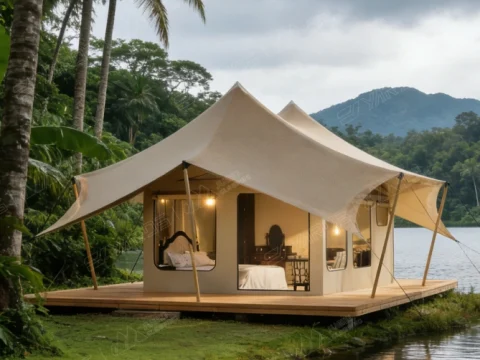
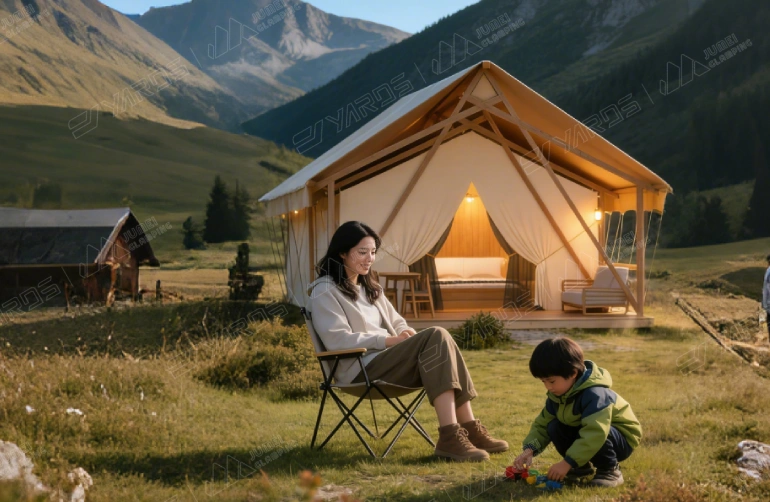
Standard models are more affordable. Fully customized tents—such as those with glass walls, skylights, wooden facades, or brand-specific finishes—require additional design and production steps, raising the overall price.
How to Choose a High-Value Safari Tent Supplier
Check structural engineering and certifications
A cost-effective supplier should not only offer competitive prices but also provide reliable structural designs. Look for suppliers with professional engineering teams, wind/snow load reports, and material certifications to ensure long-term safety.
Compare materials, not just numbers
Different suppliers may quote different prices based on material specifications. Examine the thickness of steel poles, roof fabric GSM, waterproofing levels, UV resistance, and fire-retardant standards. Choosing a low price with low-grade materials often leads to higher maintenance costs later.
Evaluate production capacity and delivery efficiency
Suppliers with larger factories, automated cutting technology, and consistent production systems can provide stable quality and faster lead times. This means better cost performance and fewer project delays.
Look for complete project service
A supplier offering design support, installation guidance, after-sales service, and spare parts is often more cost-effective in the long run. These services reduce operational risks for resort developers.
Review global project experience
Suppliers with international resort cases understand different climate needs, safety standards, and logistics requirements. This expertise helps prevent costly mistakes in tent selection and site planning.
Conclusion
Safari tents prices vary according to materials, engineering strength, size, and customization, but choosing the right supplier determines whether your investment yields long-term value. A high-value supplier provides durable materials, reliable structural design, global project experience, and consistent support—from production to after-sales service.
Selecting such a partner ensures your resort project stays within budget while delivering a high-quality experience for guests, Jumei is a good supplier choice.